Image
banner-mobile

Navigating a complex post-transplant landscape

Common challenges to consider

A kidney transplant is a fresh start that marks the beginning of a lifelong journey, not just for the graft, but for your patient’s overall well-being. However, the ongoing demands of immunosuppression can create numerous barriers.

Long-term graft protection requires careful monitoring

The first few days after transplant are critical; tacrolimus levels on day 2 and day 5 have been shown to be early predictors of rejection.1,2 Even after that initial hurdle, the risk of inadequate immunosuppression continues to loom and threatens positive outcomes.3,4


Despite advancements in kidney transplantation, significant disparities persist in clinical outcomes across different patient populations. African American and older kidney transplant recipients present unique challenges in immunosuppression management, driven by differences in immune responsiveness, drug metabolism, and competing risks such as infection, toxicity, and comorbidity burden.5-8

Patients face numerous challenges during the post-transplant journey

Protecting the patient’s graft from rejection is just 1 aspect of post-transplant care to consider. Numerous other challenges remain, including:

  • Tacrolimus is characterized by a narrow therapeutic range—and numerous adverse outcomes are associated with levels outside of that target range3,4,9
  • Side effects and complex dosing regimens can contribute to declining adherence10-12
  • Nephrotoxicity impacts graft survival13
  • Infections are a common cause of morbidity and mortality14

Rapid metabolizers face unique risks

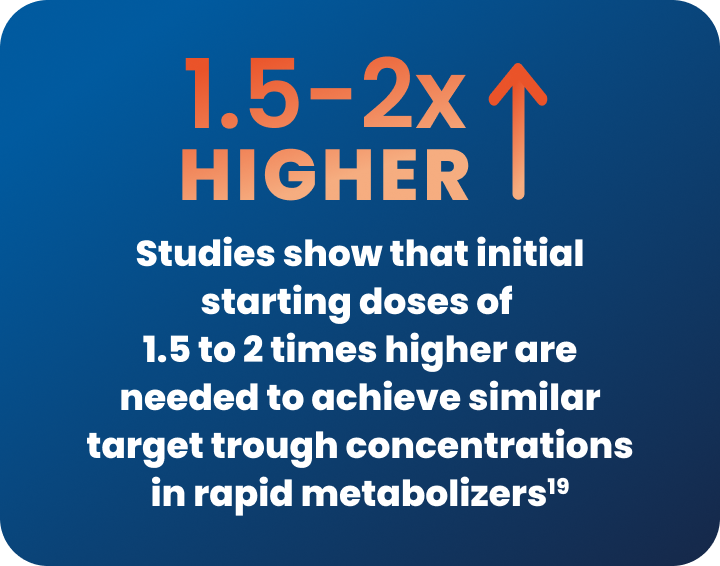
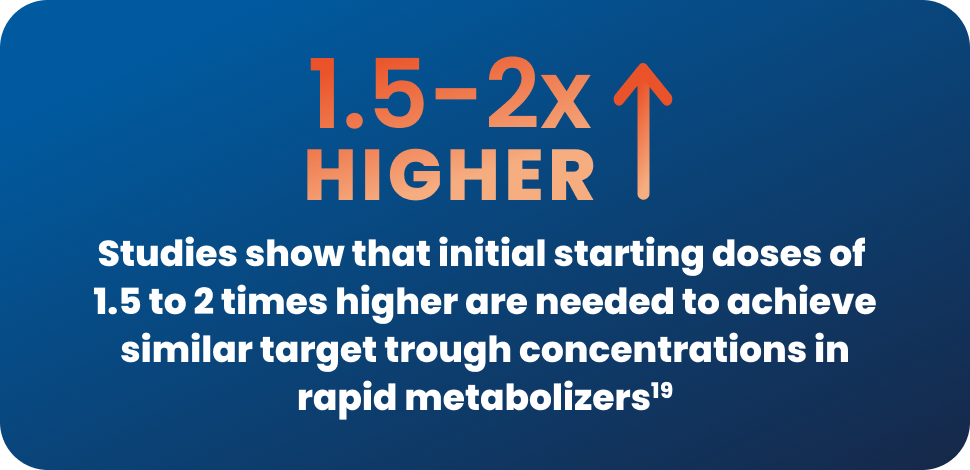
To further complicate the post-transplant period, CYP3A5*1 expressors (rapid metabolizers) are at higher risk for rejection.15 Certain patient populations—including African American and Hispanic kidney transplant recipients—often fall into this category.16-18

Rapid metabolizers face many unique risks:
Higher-Desktop
Higher-Desktop
complications

Higher risk for BPAR in the 
first 90 days (P<0.006)20

compilance

Complications like CNI 
nephrotoxicity and BK nephropathy15

significance

Significantly more 
for-cause biopsies15

Union

Higher peaks: Compared with nonexpressors of CYP3A5*1, rapid metabolizers experience a 34% increase in peak concentration (Cmax) of IR-Tac16

BK=BK virus; BPAR=biopsy-proven acute rejection; Cmax=maximum concentration; CNI=calcineurin inhibitor; CYP3A5*1=cytochrome family P450, subfamily 3A, member 5, variant 1; IR-Tac=immediate-release tacrolimus; PK=pharmacokinetic.

The definition of “rapid metabolizer” may vary by study.

Clinical benefit of the differences in the PK profile of ENVARSUS XR has not been established.

hidden text


medical

With so much complexity, post-transplant care requires more than just preventing rejection.

It demands a thoughtful, patient-tailored approach to immunosuppression.

Image
main

References: 1. Undre NA, van Hooff J, Christiaans M, et al. Low systemic exposure to tacrolimus correlates with acute rejection. Transplant Proc. 1999;31(1-2):296-298. 2. Borobia AM, Romero I, Jimenez C, et al. Trough tacrolimus concentrations in the first week after kidney transplantation are related to acute rejection. Ther Drug Monit. 2009;31(4):436-442. 3. Hesselink DA, Bouamar R, Elens L, van Schaik RH, van Gelder T. The role of pharmacogenetics in the disposition of and response to tacrolimus in solid organ transplantation. Clin Pharmacokinet. 2014;53(2):123-139. 4. Kershner RP, Fitzsimmons WE. Relationship of FK506 whole blood concentrations and efficacy and toxicity after liver and kidney transplantation. Transplantation. 1996;62(7):920-926. 5. Oetting WS, Schladt DP, Guan W, et al; DeKAF Investigators. Genomewide association study of tacrolimus concentrations in African American kidney transplant recipients identifies multiple CYP3A5 alleles. Am J Transplant. 2016;16(2):574-582. 6. Taber DJ, Gebregziabher M, Hunt KJ, et al. Twenty years of evolving trends in racial disparities for adult kidney transplant recipients. Kidney Int. 2016;90(4):878-887. 7. Purnell TS, Luo X, Kucirka LM, et al. Reduced racial disparity in kidney transplant outcomes in the United States from 1990 to 2012. J Am Soc Nephrol. 2016;27(8):2511-2518. 8. Organ Procurement and Transplantation Network (OPTN) and Scientific Registry of Transplant Recipients (SRTR). OPTN/SRTR 2023 Annual Data Report. US Department of Health and Human Services, Health Resources and Services Administration; 2025. Accessed December 12, 2025. https://srtr.transplant.hrsa.gov/annualdatareports 9. Staatz CE, Tett SE. Clinical pharmacokinetics and pharmacodynamics of tacrolimus in solid organ transplantation. Clin Pharmacokinet. 2004;43(10):623-653. 10. Taber DJ, Gordon EJ, Myaskovsky L, et al. Therapeutic needs in solid organ transplant recipients: The American Society of Transplantation patient survey. Am J Transplant. 2025;25(12):2565-2577. 11. De Barros CT, Cabrita J. Self-report of symptom frequency and symptom distress in kidney transplant recipients. Pharmacoepidemiol Drug Saf. 1999;8(6):395-403. 12. Nevins TE, Robiner WN, Thomas W. Predictive patterns of early medication adherence in renal transplantation. Transplantation. 2014;98(8):878-884. 13. Xia T, Zhu S, Wen Y, et al. Risk factors for calcineurin inhibitor nephrotoxicity after renal transplantation: a systematic review and meta-analysis. Drug Des Devel Ther. 2018;12:417-428. 14. Karuthu S, Blumberg EA. Common infections in kidney transplant recipients. Clin J Am Soc Nephrol. 2012;7(12):2058-2070. 15. Thölking G, Fortmann C, Koch R, et al. The tacrolimus metabolism rate influences renal function after kidney transplantation. PLoS One. 2014;9(10):e111128. 16. Trofe-Clark J, Brennan DC, West-Thielke P, et al. Results of ASERTAA, a randomized prospective crossover pharmacogenetic study of immediate-release versus extended-release tacrolimus in African American kidney transplant recipients. Am J Kidney Dis. 2018;71(3):315-326. 17. Staatz C, Goodman LK, Tett SE. Effect of CYP3A and ABCB1 single nucleotide polymorphisms on the pharmacokinetics and pharmacodynamics of calcineurin Inhibitors: part I. Clin Pharmacokinet. 2010;49(3):141-175. 18. Kuehl P, Zhang J, Lin Y, et al. Sequence diversity in CYP3A promoters and characterization of the genetic basis of polymorphic CYP3A5 expression. Nat Genet. 2001;27(4):383-391. 19. Birdwell KA, Decker B, Barbarino JM, et al. Clinical Pharmacogenetics Implementation Consortium (CPIC) guidelines for CYP3A5 genotype and tacrolimus dosing. Clin Pharmacol Ther. 2015;98(1):19-24. 20. Egeland EJ, Robertsen I, Hermann M, et al. High tacrolimus clearance is a risk factor for acute rejection in the early phase after renal transplantation. Transplantation. 2017;101(8):e273-e279. 21. Sellarés J, de Freitas DG, Mengel M, et al. Understanding the causes of kidney transplant failure: the dominant role of antibody-mediated rejection and nonadherence. Am J Transplant. 2012;12(2):388-399. 22. Massey EK, Tielen M, Laging M, et al. Discrepancies between beliefs and behavior: a prospective study into immunosuppressive medication adherence after kidney transplantation. Transplantation. 2015;99(2):375-380. 23. Massey EK, Meys K, Kerner R, Weimar W, Roodnat J, Cransberg K. Young adult kidney transplant recipients: nonadherent and happy. Transplantation. 2015;99(8):e89-e96.

INDICATIONS AND USAGE

ENVARSUS XR is indicated for the prophylaxis of organ rejection in de novo kidney transplant patients in combination with other immunosuppressants.

ENVARSUS XR is also indicated for the prophylaxis of organ rejection in kidney transplant patients converted from tacrolimus immediate-release formulations in combination with other immunosuppressants.

IMPORTANT SAFETY INFORMATION

WARNING: MALIGNANCIES AND SERIOUS INFECTIONS

Increased risk for developing serious infections and malignancies with ENVARSUS XR or other immunosuppressants that may lead to hospitalization or death

CONTRAINDICATIONS

ENVARSUS XR is contraindicated in patients with known hypersensitivity to tacrolimus or to any of the ingredients in ENVARSUS XR.

WARNINGS AND PRECAUTIONS

Lymphoma and Other Malignancies: Immunosuppressants, including ENVARSUS XR, increase the risk of developing lymphomas and other malignancies, particularly of the skin. Post-transplant lymphoproliferative disorder (PTLD), associated with Epstein-Barr Virus (EBV), has been reported in immunosuppressed organ transplant patients.

Serious Infections: Immunosuppressants, including ENVARSUS XR, increase the risk of developing bacterial, viral, fungal, and protozoal infections, including opportunistic infections. These infections may lead to serious, including fatal, outcomes.

Not Interchangeable with Other Tacrolimus Products – Medication Errors: Medication errors, including substitution and dispensing errors, between tacrolimus capsules and tacrolimus extended-release capsules were reported outside the U.S. in some cases leading to adverse reactions. ENVARSUS XR is not interchangeable or substitutable with tacrolimus extended-release capsules, tacrolimus capsules or tacrolimus for oral suspension.

New Onset Diabetes after Transplant: ENVARSUS XR caused new onset diabetes after transplant (NODAT) in kidney transplant patients, which may be reversible in some patients. African-American and Hispanic kidney transplant patients are at an increased risk.

Nephrotoxicity due to ENVARSUS XR and Drug Interactions: ENVARSUS XR, like other calcineurin-inhibitors, can cause acute or chronic nephrotoxicity. In patients with elevated serum creatinine and tacrolimus whole blood trough concentrations greater than the recommended range, consider dosage reduction or temporary interruption of tacrolimus administration. The risk for nephrotoxicity may increase when ENVARSUS XR is concomitantly administered with CYP3A inhibitors (by increasing tacrolimus whole blood concentrations) or drugs associated with nephrotoxicity. When tacrolimus is used concurrently with CYP3A inhibitors or other known nephrotoxic drugs, monitor renal function and tacrolimus blood concentrations, and adjust dose of both tacrolimus and/or concomitant medications during concurrent use.

Neurotoxicity: ENVARSUS XR may cause a spectrum of neurotoxicities. The most severe neurotoxicities include posterior reversible encephalopathy syndrome (PRES), delirium, seizure, and coma; others include tremors, paresthesias, headache, mental status changes, and changes in motor and sensory functions.

Hyperkalemia: Mild to severe hyperkalemia, which may require treatment, has been reported with tacrolimus including ENVARSUS XR. Concomitant use of agents associated with hyperkalemia may increase the risk for hyperkalemia.

Hypertension: Hypertension is a common adverse reaction to ENVARSUS XR therapy and may require antihypertensive therapy.

Risk of Rejection with Strong CYP3A Inducers and Risk of Serious Adverse Reactions with Strong CYP3A Inhibitors: The concomitant use of strong CYP3A inducers may increase the metabolism of tacrolimus, leading to lower whole blood trough concentrations and greater risk of rejection. In contrast, the concomitant use of strong CYP3A inhibitors may decrease the metabolism of tacrolimus, leading to higher whole blood trough concentrations and greater risk of serious adverse reactions. Therefore, adjust ENVARSUS XR dose and monitor tacrolimus whole blood trough concentrations when co-administering ENVARSUS XR with strong CYP3A inhibitors or strong CYP3A inducers. A rapid, sharp rise in tacrolimus levels has been reported after co-administration with strong CYP3A4 inhibitors despite an initial reduction of tacrolimus dose. Early and frequent monitoring of tacrolimus whole blood trough levels is recommended.

QT Prolongation: ENVARSUS XR may prolong the QT/QTc interval and cause Torsade de pointes. Avoid ENVARSUS XR in patients with congenital long QT syndrome. Consider obtaining electrocardiograms and monitoring electrolytes periodically during treatment in patients with congestive heart failure, bradyarrhythmias, those taking certain antiarrhythmic medications or other products that lead to QT prolongation, and those with electrolyte disturbances. When co-administering ENVARSUS XR with other substrates and/or inhibitors of CYP3A, especially those that also have the potential to prolong the QT interval, a reduction in ENVARSUS XR dosage, monitoring of tacrolimus whole blood concentrations, and monitoring for QT prolongation is recommended.

Immunizations: Whenever possible, administer the complete complement of vaccines before transplantation and treatment with ENVARSUS XR. Avoid the use of live attenuated vaccines during treatment with ENVARSUS XR. Inactivated vaccines noted to be safe for administration after transplantation may not be sufficiently immunogenic during treatment with ENVARSUS XR.

Pure Red Cell Aplasia: Cases of pure red cell aplasia (PRCA) have been reported in patients treated with tacrolimus. If PRCA is diagnosed, consider discontinuation of ENVARSUS XR.

Cannabidiol Drug Interactions: When cannabidiol and ENVARSUS XR are co-administered, closely monitor for an increase in tacrolimus blood levels and for adverse reactions suggestive of tacrolimus toxicity. A dose reduction of ENVARSUS XR should be considered as needed when ENVARSUS XR is co-administered with cannabidiol.

Thrombotic Microangiopathy (TMA) Including Hemolytic Uremic Syndrome and Thrombotic Thrombocytopenic Purpura: Cases of thrombotic microangiopathy (TMA), including hemolytic uremic syndrome (HUS) and thrombotic thrombocytopenic purpura (TTP), have been reported in patients treated with ENVARSUS XR. Transplant patients may have other risk factors which contribute to the risk of TMA. In patients with signs and symptoms of TMA, consider ENVARSUS XR as a risk factor. Concurrent use of ENVARSUS XR and mammalian target of rapamycin (mTOR) inhibitors may contribute to the risk of TMA.

ADVERSE REACTIONS

De Novo kidney transplant patients: Most common adverse reactions (incidence ≥15%) reported with ENVARSUS XR are diarrhea, anemia, urinary tract infection, hypertension, tremor, constipation, diabetes mellitus, peripheral edema, hyperkalemia and headache.

Conversion of kidney transplant patients from immediate-release tacrolimus: Most common adverse reactions (incidence ≥10%) reported with ENVARSUS XR include: diarrhea and blood creatinine increased.

USE IN SPECIFIC POPULATIONS

Pregnancy: Based on postmarketing surveillance, registry and animal data may cause fetal harm. Advise pregnant women of the potential risk to the fetus.

Nursing Mothers: Tacrolimus is present in human milk. Discontinue drug or nursing, taking into account the importance of drug to the mother.

Females and Males of Reproductive Potential: Advise female and male patients of reproductive potential to speak with their healthcare provider on family planning options including appropriate contraception prior to starting treatment with ENVARSUS XR. Based on animal studies, ENVARSUS XR may affect fertility in males and females.

Pediatric Use: The safety and efficacy of ENVARSUS XR in pediatric patients have not been established.

Geriatric Use: Clinical studies of ENVARSUS XR did not include sufficient numbers of patients aged 65 and over to determine whether they respond differently from younger patients.

Renal Impairment: Frequent monitoring of renal function is recommended. Lower doses may be required.

Hepatic Impairment: Frequent monitoring of tacrolimus trough concentrations is recommended. With greater tacrolimus whole blood trough concentrations in patients with severe hepatic impairment, there is a greater risk of adverse reactions and dosage reduction is recommended.

Race: African-American patients may require higher doses to attain comparable trough concentrations compared to Caucasian patients. African-American and Hispanic kidney transplant patients are at an increased risk for new onset diabetes after transplant. Monitor blood glucose concentrations and treat appropriately.

To report SUSPECTED ADVERSE REACTIONS, contact Veloxis Pharmaceuticals, Inc. at 1-​844-​VELOXIS (835-​​6947) or FDA at 1-​​800-​​FDA-​​1088 or visit www.fda.gov/medwatch.

Please see full Prescribing Information, including Boxed Warning.